
A symphony orchestra brings together strings, woodwind, brass and percussion to perform music as one ensemble. It can move from a quiet solo to a sound that fills a concert hall. But how does it differ from a philharmonic orchestra, a chamber orchestra or a string orchestra?
The answer lies mainly in the instruments, the scale of the ensemble and the music being performed. The name alone does not tell you how good an orchestra is.
What is a symphony orchestra?
A symphony orchestra combines several instrumental sections. Its size changes with the programme: one piece may need a relatively small group, while another calls for many more players and additional instruments.
Large symphonic works can require 80 to 100 musicians or more, but there is no fixed number that every symphony orchestra must have. The composer’s score — the written instructions for the music — determines which instruments are needed.
The four main instrument families
- Strings: violins, violas, cellos and double basses. These instruments often form the largest section.
- Woodwind: instruments such as flutes, oboes, clarinets and bassoons. Listen for their individual voices as melodies move through the orchestra.
- Brass: horns, trumpets, trombones and tubas. They can add warmth, brilliance and dramatic power.
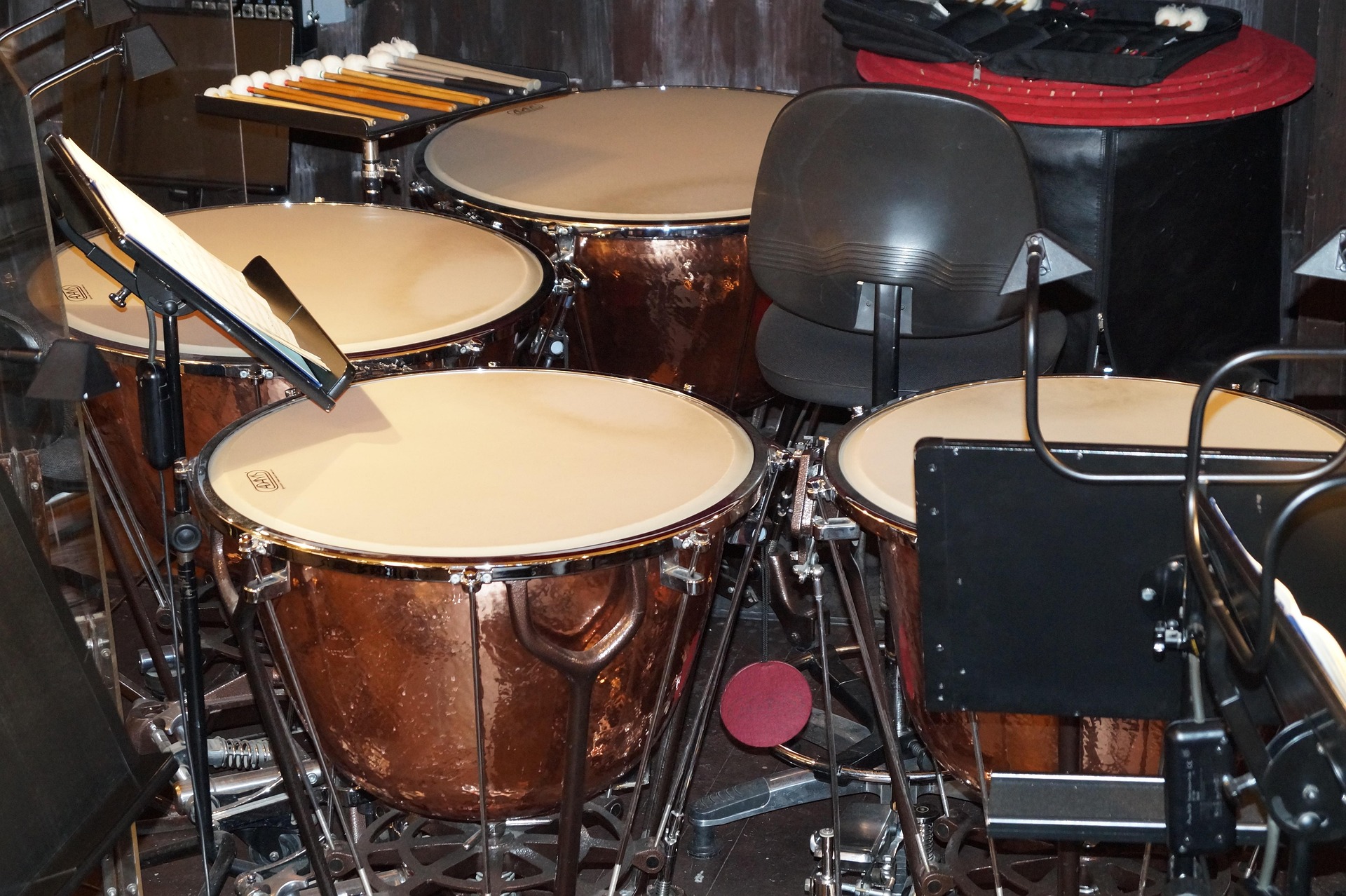
- Percussion: timpani, drums, cymbals and many other instruments. They contribute rhythm, colour and atmosphere.
A work may also call for harp, piano, organ or other instruments. You will not necessarily see every instrument at every concert.
Symphony or philharmonic: is there a difference?
In normal modern usage, a symphony orchestra and a philharmonic orchestra are the same kind of ensemble. “Philharmonic” does not mean larger, more advanced or better.
The word has historical associations with societies of music lovers that supported concerts. Today, the two names often help distinguish orchestras, including those based in the same city.
When choosing a concert, look at the programme and performers rather than assuming one name promises a different standard.
How is a chamber orchestra different?
A chamber orchestra is generally smaller. It often uses fewer string players and a more compact combination of instruments, depending on the piece.
That smaller scale can make individual musical lines easier to follow. It also suits music written for more modest forces. Some chamber orchestras perform without a conductor, taking their lead from a player.
A chamber orchestra can include woodwind and brass. It is not automatically a strings-only group, and its musicians are not less skilled because there are fewer of them.
What about other orchestras?
- A string orchestra centres on violins, violas, cellos and double basses. Additional instruments may appear when a particular work requires them.
- A wind orchestra centres on woodwind, brass and percussion, rather than the large bowed-string section associated with a symphony orchestra.
- An opera orchestra performs alongside singers and stage action. Its name describes its role; it may use similar instruments to a symphony orchestra.
- A youth or community orchestra is named for its players or organisation. It may also be a symphony orchestra or a chamber orchestra.
These descriptions overlap. An orchestra’s size, membership and purpose are different aspects of the same ensemble.
Does a symphony orchestra only play symphonies?
No. A symphony orchestra can perform a wide range of music, including concertos featuring a soloist, overtures, film scores and new compositions.
A symphony is a piece of music; a symphony orchestra is the group of musicians. You can hear the orchestra at a concert even when no symphony is on the programme.
What should you listen for?
You do not need to recognise every instrument to enjoy a concert. Start with one sound that catches your attention. Does a melody begin in the strings and then pass to a flute? Does the brass change the mood? What happens when the full ensemble becomes quiet?
Those changes are part of the pleasure of orchestral music. A smaller group offers its own detail and character; a larger one offers a wider range of combinations.
Hear a symphony orchestra in action
This London Symphony Orchestra video features Beethoven’s Symphony No. 9, “Ode to Joy”, conducted by Sir Antonio Pappano. Listen for the changing orchestral colours and the addition of voices.
Watch the London Symphony Orchestra video on YouTube. The article above explains the orchestra’s instruments and roles without needing to play the video.
Discover orchestral music with SCOW
At the Symphony Club of Waterford, we want to help more people feel at home with orchestral music. Our 2026 concert season has concluded, and we are looking ahead to 2027.
Visit our concerts and events page for season updates, learn more about SCOW, or return to our blogs and latest news to keep exploring.